When it comes to income tax, each state in the United States has its own set of rules and regulations. In Texas, income tax is a topic that often raises questions and confusion among residents. Understanding how income tax in Texas works is important for individuals and businesses to ensure compliance with the law and avoid any penalties or fines.
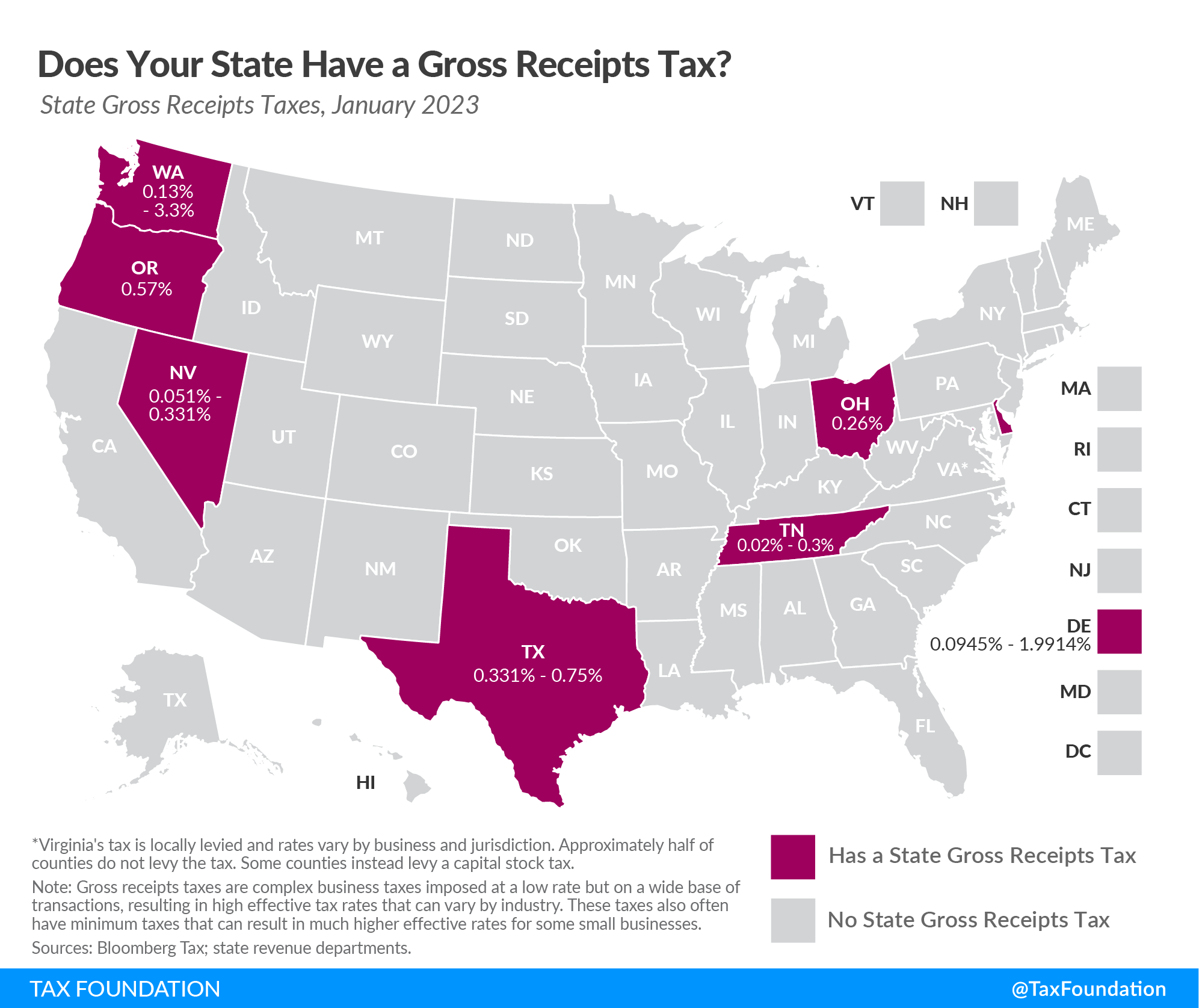
With no state income tax in Texas, residents enjoy the benefit of not having to pay income tax on their earnings to the state government. This can be a significant advantage for individuals and businesses looking to save money on their tax bill. However, it’s important to note that while Texas does not have a state income tax, there are other types of taxes that residents may still be required to pay, such as property taxes and sales taxes.
 Printable Article About Income Tax In Texas
One key aspect of income tax in Texas is understanding the federal income tax system. While Texas does not impose a state income tax, individuals and businesses are still required to pay federal income tax to the Internal Revenue Service (IRS). It’s important to be aware of federal tax laws and regulations to ensure compliance and avoid any issues with the IRS.
Another important consideration when it comes to income tax in Texas is the various deductions and credits that individuals and businesses may be eligible for. By taking advantage of these deductions and credits, taxpayers can reduce their taxable income and potentially lower their tax bill. Some common deductions and credits in Texas include deductions for mortgage interest, property taxes, and charitable contributions.
In conclusion, understanding income tax in Texas is essential for individuals and businesses to navigate the complex tax system and ensure compliance with the law. With no state income tax, residents in Texas have a unique advantage when it comes to saving money on their tax bill. By staying informed about federal tax laws, deductions, and credits, taxpayers in Texas can make the most of their tax situation and minimize their tax liability.